
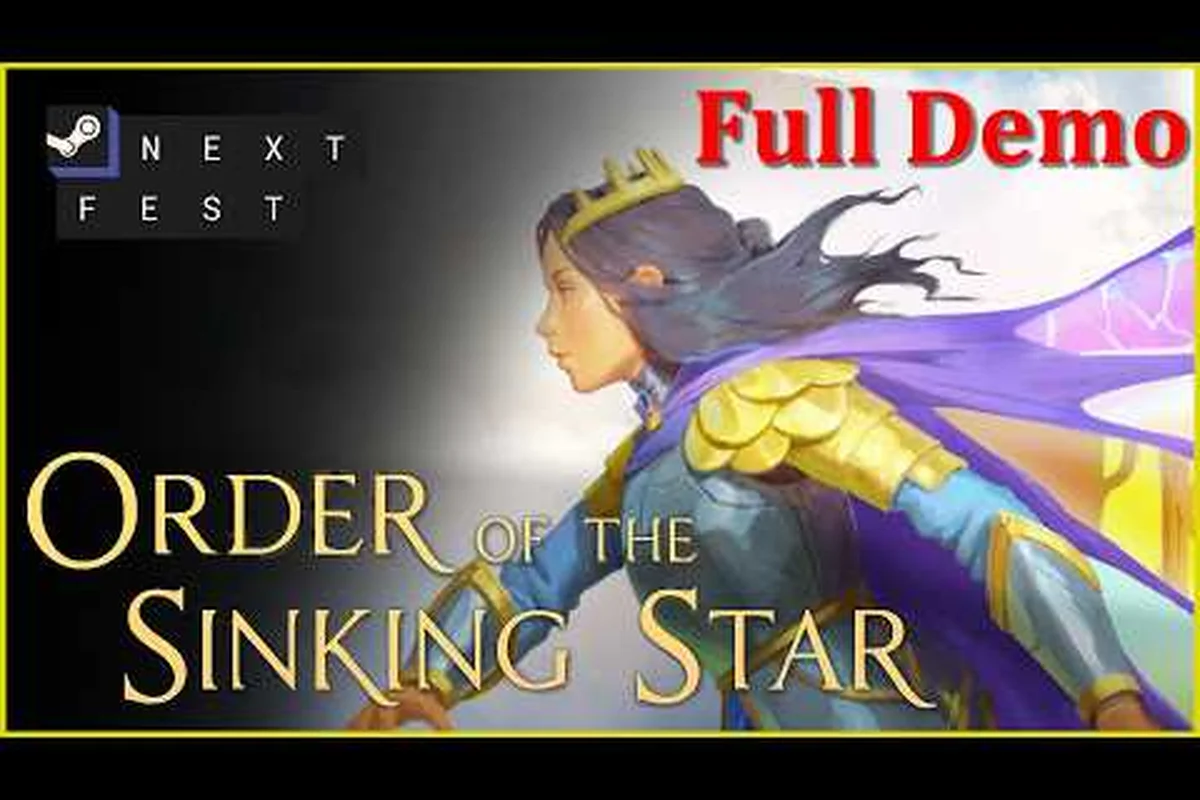
The order of the sinking star overworld guide is essential reading before you set foot in the game's sprawling archipelago. Unlike linear puzzle adventures, this title from the creator of The Witness and Braid gives you a massive interconnected map where the world unlock order is rarely obvious, and the open world puzzle design rewards curiosity over brute force. Understanding how the overworld fits together will save you hours of backtracking and frustration, because the game's non-linear exploration means you can wander into a late-game area with only starter abilities if you don't know what to look for.
The overworld is the connective tissue between the game's four distinct worlds, and knowing which world to tackle first is the difference between a smooth progression curve and a wall of unsolvable puzzles. This guide breaks down the world mechanics explained in plain terms, ranks the recommended world order, and shows you how the open world puzzle design encourages you to loop back to earlier zones with new tools. Whether you are chasing every collectible or just want to see the credits, the order of the sinking star world unlock order matters more than you might expect. To make the most of that order, consult our sinking star world order guide for a detailed breakdown of each world's impact on your exploration.
The Overworld Structure and Non-Linear Exploration
The overworld in Order of the Sinking Star is a handcrafted archipelago that connects the four major worlds through a network of islands, sunken ruins, and shifting currents. What makes the order of the sinking star non linear exploration so compelling is that the game never explicitly tells you where to go next. Instead, it uses environmental cues, distant landmarks, and ability-gated paths to guide your curiosity. The overworld map is divided into distinct biomes that hint at the world mechanics explained for each region, so a frozen coastline suggests a world built around ice and momentum, while a glowing coral reef points toward light-refraction puzzles.
Because the game is built on non-linear exploration, you can technically sail to any world the moment you leave the tutorial area. The catch is that each world has a minimum ability threshold that you must meet before its puzzles become solvable. This is the core of the open world puzzle design: the game gives you full freedom, but the puzzles themselves enforce a soft progression order. According to community reports, players who ignore this and sail to the hardest world first often spend 20-30 minutes just trying to find a single solvable puzzle, because the mechanics they need are locked behind abilities found elsewhere.
How the Overworld Map Connects the Four Worlds
The overworld map is divided into four quadrants, each leading to one of the four worlds. The center of the map is a hub area called the Shattered Meridian, which acts as the game's main navigation point. From here, you can see the distinct silhouettes of each world on the horizon, and the game uses this visual language to communicate the world order guide without a single line of dialogue. The Casting Distance of your boat, the Tide Level of the ocean, and the Star Chart you collect all determine how far you can travel and which routes are open to you.
| World | Biome | Core Mechanic | Difficulty Rating |
|---|---|---|---|
| Mirror Isles | Reflective lagoons | Light refraction and mirror placement | Beginner |
| Heroes of Sokoban | Desert ruins | Block pushing and pressure plates | Intermediate |
| Far Water | Frozen fjords | Ice momentum and water currents | Intermediate |
| Promesst | Volcanic peaks | Gravity shifts and timing | Advanced |
The table above shows the four worlds and their core mechanics, which are the foundation of the order of the sinking star world mechanics explained. The Mirror Isles are the most accessible because their puzzles rely on a single mechanic that is introduced in the opening hour. The Promesst world, by contrast, combines gravity manipulation with tight timing windows, which makes it the hardest to approach early. The game's open world puzzle design ensures that each world teaches its core mechanic in isolation before asking you to combine them, which is why the world order guide matters so much for pacing.
World Unlock Order and Which World First
The order of the sinking star which world first question is the most common one in community forums, and the answer is more nuanced than a simple ranking. While the game never locks worlds behind story progression, the ability gates in the overworld effectively create a soft unlock order. You start with only the ability to push blocks and climb small ledges, which means the Mirror Isles are the only world where you can solve every puzzle you find. The other worlds have puzzles that require abilities you earn by completing the Mirror Isles' main puzzle chain.
The world unlock order is therefore a combination of two things: the order you physically reach each world and the order you acquire the abilities that make their puzzles solvable. Because the game uses non-linear exploration, you can reach the Promesst world in the first hour, but you will only be able to solve a handful of puzzles there. The ability gates in the overworld are the game's way of enforcing a gentle progression curve while preserving the feeling of freedom. Community testing suggests that players who follow the recommended order complete the game in about 25-30 hours, while those who wander aimlessly can stretch that to 45 hours or more.
Recommended World Order and Why It Works
| Priority | World | Ability Unlocked | Why This Order |
|---|---|---|---|
| 1 | Mirror Isles | Light Refraction | Introduces core mechanics, all puzzles solvable |
| 2 | Far Water | Sound Echo | Builds on refraction, teaches timing |
| 3 | Promising Sokoban | Force Push | Combines light and sound mechanics |
| 4 | Promesst | Gravity Shift | Requires all previous abilities |
This recommended world order is based on the ability dependency chain that the game's open world puzzle design relies on. The Mirror Isles teach you the Refraction Lens, which is used in about 40% of all puzzles across the game. Far Water then introduces the Echo Stone, which lets you interact with sound-based puzzles that appear in the overworld. The Promising Sokoban world requires both the lens and the stone, because its block-pushing puzzles often involve redirecting light beams or activating sound triggers. Finally, the Promesst world combines all three abilities with its gravity mechanics, which makes it the natural endpoint.
What Happens If You Skip the Recommended Order
Skipping the recommended world order is not a mistake, but it changes the difficulty curve significantly. If you sail to Far Water first, you will find that the Echo Stone puzzles are solvable, but the overworld paths that require the Lightning Lens will be blocked. This creates a fragmented experience where you complete a third of a world, then have to backtrack later. The game's open world puzzle design actually rewards this kind of exploration, because you will find hidden chests and collectible lore fragments that are placed specifically for players who wander. However, the order of the sinking star world mechanics explained suggests that the game is balanced for the recommended order, and players who skip ahead report hitting a difficulty spike when they return to the earlier worlds.
Open World Puzzle Design and Mechanics
The open world puzzle design in Order of the Sinking Star is the game's biggest selling point, and it is worth understanding how it works before you dive in. Unlike the isolated puzzle rooms of The Witness, the overworld puzzles here are integrated into the environment. A puzzle might require you to adjust a mirror on one island to reflect light across a bay to a second island, where the light beam activates a mechanism that opens a cave on a third island. This multi-island puzzle chain is the core of the overworld experience, and it is why the world mechanics explained matter so much.
The game uses a dynamic weather system that changes the overworld puzzle state. Rain can flood a low-lying area, making a path accessible that was blocked by a sandbar, while a drought can reveal a sunken bridge. This means that the same overworld location can present different puzzles depending on when you visit, which adds a layer of replayability to the non-linear exploration. According to community testing, the weather cycle lasts about 30 minutes of real time, and some puzzles only appear during specific weather conditions.
The Role of the Sunken Meridian Hub
The Sunken Meridian is the game's hub area, and it serves as both a fast-travel point and a puzzle hub. The hub itself contains a series of tide-gated passages that open and close based on the in-game tide cycle. When the tide is low, you can access the Coral Vault, which contains a set of puzzles that reward you with upgrade tokens. When the tide is high, the vault is flooded, but a different set of platforms becomes accessible, leading to a hidden shrine. This tide mechanic is a perfect example of the open world puzzle design, because it encourages you to revisit the hub at different times.
| Tide Level | Accessible Area | Reward Type |
|---|---|---|
| Low | Coral Vault | Upgrade tokens |
| Mid | Sunken Causeway | Lore fragments |
| High | Sky Shrine | Cosmetic items |
The tide system is just one of the many world mechanics explained in this guide. The game also has a lunar cycle that affects the Mirror Isles, where the reflection puzzles change based on the moon phase. This means that the order of the sinking star world order guide is not just about which world you visit first, but also about when you visit it. The game's non-linear exploration is designed to encourage multiple visits to each world, because the puzzles change over time.
Ability Gates and Overworld Progression
The ability gates are the game's primary progression mechanic. Each world contains a Temple of Echoes that, when completed, grants you a new ability. These abilities are not just used in the world where you earn them; they are used across the entire overworld. The Lightning Lens from the Mirror Isles is used in the overworld to activate light-based mechanisms, and the Echo Stone from Far Water is used to open sound-locked doors. This creates a web of dependencies that the game's open world puzzle design relies on.
| Ability | Source World | Overworld Use | Required For |
|---|---|---|---|
| Lightning Lens | Mirror Isles | Activate light beams | Far Water, Promesst |
| Echo Stone | Far Water | Open sound-locked doors | Promising Sokoban, Promesst |
| Force Push | Promising Sokoban | Move heavy blocks | Promesst |
| Gravity Shift | Promesst | Reverse gravity | Final overworld puzzles |
The table above shows the ability dependency chain that defines the world unlock order. Each ability is required to solve a subset of puzzles in the other worlds, which is why the recommended order is the most efficient path. However, the game's non-linear exploration means you can choose to do the worlds in any order, as long as you are willing to accept that some puzzles will remain unsolvable until you return with the right ability.
Routing Rules for Efficient Overworld Traversal
Now that you understand the world mechanics explained, it is time to put that knowledge into practice. The order of the sinking star overworld guide is not just about which world you go first; it is about how you approach the overworld as a whole. The game rewards players who are methodical, but it also rewards players who are willing to wander. The key is to balance the two.
The first practical tip is to unlock the Sunken Meridian's fast-travel points as soon as possible. Each world has a beacon that you can activate, and these beacons let you fast-travel between worlds. This is essential for the non-linear exploration, because you will frequently need to return to a previous world to solve a puzzle that you discovered later. The beacons are not hard to find, but they are often tucked away in a corner of the world, so keep an eye out for the glowing blue light. This is especially true in the Order of the Sinking Star, where each of the four worlds hides a beacon essential for solving later puzzles; consult the [Order Of The Sinking Star Four Worlds] guide for their exact locations.
Recommended Route for New Players
If you are a new player, the best route is to follow the recommended world order but with a twist: instead of completing each world 100% before moving on, you should complete the main puzzle chain of each world, then move on. The main puzzle chain is the series of puzzles that leads to the world's Temple, and it is the only thing you need to unlock the next ability. The side puzzles and collectibles can be done later, and the game's open world puzzle design means they will still be there when you return.
-
Step 1: Complete the Mirror Isles main chain to get the Lightning Lens.
-
Step 2: Return to the overworld and explore the Far Water region, but only solve the puzzles you can with the lens.
-
Step 3: Complete Far Water's main chain to get the Echo Stone.
-
Step 4: Use the Echo Stone to access the Promising Sokoban world and complete its main chain.
-
Step 5: Finish the Promesst world, then return to the earlier worlds to mop up the remaining puzzles.
This approach is the most efficient way to play the game, and it is the one that most players who have completed the game recommend. It takes advantage of the non-linear exploration by allowing you to solve puzzles in any order, but it also ensures that you always have the right ability for the puzzles you are trying to solve. The game's open world puzzle design is at its best when you are constantly moving between worlds, and this route encourages that.
Advanced Tips for the Overworld
For players who want to get the most out of the overworld, there are a few advanced tips that the game does not explain. The first is that the weather system is not random; it follows a set cycle that you can learn. The game's day-night cycle is 30 minutes long, and the weather changes every 10 minutes. If you need a specific weather condition for a puzzle, you can wait it out or use the Weather Totem in the Sunken Meridian to change it instantly.
The second tip is that the lunar cycle affects the Mirror Isles puzzles. The moon phase changes every 30 minutes, and some puzzles only appear during the full moon. If you are stuck on a puzzle in the Mirror Isles, check the moon phase and come back later. The game does not tell you this, but it is a core part of the world mechanics explained.
The third tip is to use the map to track your progress. The game's map is a diegetic map that you can pull up at any time, and it shows you the locations of the puzzles you have solved and the ones you have not. This is essential for the non-linear exploration, because it helps you avoid backtracking to the same area twice. The map also shows you the locations of the beacons, which makes it easy to plan your route.
Frequently Asked Questions
What is the best world to start with in Order of the Sinking Star?
The best world to start with is the Mirror Isles, because it introduces the core mechanics and all of its puzzles are solvable with the starting abilities. The Lightning Lens you earn there is used throughout the overworld, making it the foundation of the game's progression.
Can I skip the Mirror Isles and go to a harder world first?
You can, but you will not be able to solve most of the puzzles in the harder worlds without the abilities from the earlier ones. The game's non-linear exploration allows you to travel anywhere, but the ability gates will block your progress. It is better to follow the recommended order.
How does the weather system affect the overworld puzzles?
The weather system changes the overworld every 10 minutes, and some puzzles only appear during specific weather conditions. Rain can raise the water level to open new paths, while drought can block others. You can use the Weather Totem in the Sunken Meridian to change the weather instantly.
Are there any puzzles that require the lunar cycle?
Yes, the Mirror Isles has several puzzles that only appear during a specific moon phase. The moon phase changes every 30 minutes, so you may need to wait or return later. The game does not tell you this, but it is part of the open world puzzle design.
What is the fastest way to complete the overworld?
Complete each world's main puzzle chain in the recommended unlock order, then return to earlier worlds to mop up remaining puzzles. This exploits the non-linear overworld structure while ensuring you always have the right abilities for each puzzle type. Prioritize the Mirror Isles first, since its mechanics unlock tools used across all four worlds.