
Story & Lore
Order of the Sinking Star story and lore: the grand mystery of the Order, audio log locations, character arcs and theories — explained without spoiling final revelations.
Introduction
Beneath the thousand puzzles, Order of the Sinking Star carries an epic tale assembled from audio logs, collectible notes and character encounters — the story of the Order itself, a grand mystery that reveals itself in fragments as heroes meet and worlds merge. Director Jonathan Blow has described narrative delivered alongside puzzling rather than in cutscene blocks: dialogue arrives while you think, characters banter mid-grid, and environmental storytelling fills what voice lines leave open. Community reception of this approach is genuinely split — puzzle-first players praise its restraint while story-focused reviewers call some writing rough — and this section documents both the content and the conversation. Coverage includes the title's meaning, hero arcs before and after collisions, every locatable audio log and note, connections fans draw to Braid and The Witness, and the development history behind a game reportedly ten years in the making on a custom Jai-language engine.
Story Elements Tracker
| Element | Where Found | What It Reveals | Spoiler Risk |
|---|---|---|---|
| Audio logs | Scattered across Overworld regions | Order's history and purpose fragments | Medium — sequential lore |
| Collectible notes | Hidden rooms and side spaces | Character backstories, world context | Low — standalone pieces |
| Hero dialogue | During puzzle encounters | Personalities, relationships post-collision | Low — ambient delivery |
| Title mystery | Endgame revelations | What the Order is; why stars sink | High — endgame only |
Lore Collections
Audio Log Network
Scattered recordings assembling the Order's history
Character Dialogue Web
Banter delivered during puzzling, not cutscene blocks
The Title Mystery
What the Order is — withheld until endgame revelation
Collectible Notes Archive
Hidden written fragments completing character backstories
Core Mechanics
Storytelling here follows environmental-delivery logic consistent with the studio's design heritage. Rather than interrupting puzzles with cinematics, narrative rides alongside play: the talking boat comments as you travel, heroes exchange lines during co-located rooms, and written fragments surface where exploration rewards attention. The structure is fragment-assembly — each log and note contributes one piece toward understanding what the Order of the Sinking Star actually is, with the full picture reserved for endgame revelation. Character writing doubles as mechanic teaching: jokes frequently encode rule hints, and several community-documented insights trace to throwaway dialogue. The AI-placeholder voiceover controversy shapes current presentation — officials describe synthetic voices as temporary stand-ins for launch quality, while the Chinese version ships with a fully human cast recorded by Gemiuster.
Advantages
The fragment-based approach rewards players who explore thoroughly in ways pure puzzle games do not. Because lore attaches to places rather than progress bars, completionist explorers effectively experience a second game layered over the first — hunting logs becomes its own collection loop with genuine narrative payoff. The ambient delivery respects puzzle focus: no cutscene wrestles control away mid-investigation, which puzzle veterans consistently rank above interruption-heavy alternatives. The title mystery itself has proven durable community fuel — Reddit threads dissecting the word Order predate launch, and the collision-era character dynamics give the roster emotional stakes beyond mechanical utility. For players who enjoyed Braid's or The Witness's embedded storytelling, this continues a tradition they already love.
Challenges
The story presentation draws legitimate criticism worth knowing going in. The most-upvoted demo discussion thread is bluntly titled around horrible writing, with dozens of replies arguing mid-puzzle dialogue breaks concentration rather than enhancing it — if you prefer silent puzzling, mutting may genuinely improve your experience. The placeholder AI voiceover compounds this: synthetic delivery flattens line readings the script itself struggles with, though officials promise replacement before launch and the Chinese cast demonstrates the intended quality bar. Lore pacing also runs slow by design — hundreds of rooms can pass between substantive reveals, testing patience that not every player wants to spend. None of this damages the puzzles themselves, but story-motivated buyers should calibrate expectations toward atmosphere and mystery rather than drama.
Frequently Asked Questions
What does the title mean?+
Is the story connected to Braid or The Witness?+
Why does the voice acting sound strange?+
Who made the game, and for how long?+
Quick Tips
Listen to the boat. Beyond comedy, his travel commentary carries more mechanics hints per line than any other source — community solvers credit him with several accidental tutorials.
Collect notes in exploration passes separate from solving sessions. Hunting lore mid-puzzle splits attention; batch-collecting between zones keeps both experiences intact.
If dialogue distracts you, mute voice but keep subtitles. Preserving the text retains hint-bearing jokes while removing the delivery that divides opinion.
Avoid ending-explainer videos before finishing at least the demo's arc. The reveal economy here is real, and the community's best discussions assume participants who earned their knowledge.
Featured
Order of the Sinking Star Story Explained: Audio Logs & Lore
Order of the Sinking Star story explained: uncover the narrative through audio logs, notes, and hidden lore. Learn fan theories and secrets across the worlds.
Order of the Sinking Star Writing Criticism: Dialogue Issues
Read why Order of the Sinking Star's writing draws criticism. Players love the demo but find dialogue interrupting puzzles, and story and lore debate.
Order of the Sinking Star Ten Years in the Making: Thekla
Discover how ten years in the making shaped Order of the Sinking Star. Learn about the custom Jai engine, Thekla's design, and the 92% positive demo.
All Articles
Order of the Sinking Star Plot Explained: The Order's Secret
Order of the Sinking Star plot explained: uncover the ending, the grand mystery, and the meaning behind the title. See how the story connects to the Order.
Order of the Sinking Star Reddit Theories: Braid & Witness
Order of the Sinking Star reddit theories connect to Braid and The Witness. Explore fan speculation, easter eggs, and Jonathan Blow's design hints.
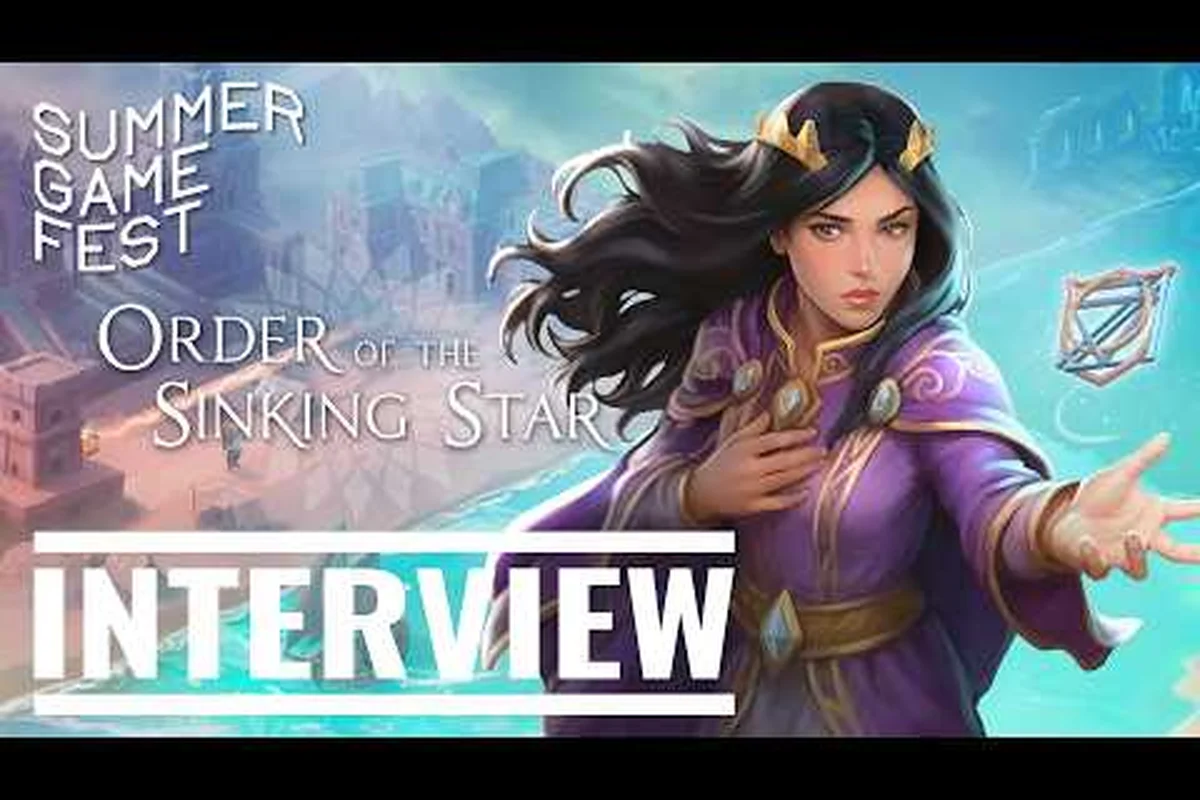
Order of the Sinking Star Zach Polansky: No Hand Holding
Explore Zach Polansky's design philosophy in Order of the Sinking Star. No hand holding, environmental storytelling, and dialogue during puzzles.