
Heroes
Every Order of the Sinking Star hero explained: the queen, thief, warrior, wizard, bard, druid and talking boat — abilities, world pairings and combo strategies.
Introduction
Order of the Sinking Star populates its worlds with a motley crew of playable heroes — official copy introduces them exactly as informally as players do: a queen, a thief, a warrior, a wizard, a bard, a druid, and even a talking boat. Each hero bends the puzzle rules differently: the warrior pushes with Sokoban strength, the wizard swaps positions with whatever he faces, the bard charms characters and moves crystals with music, and the druid accidentally transmutes anything crossing his path. Crucially, no proper names have been announced for most of the cast, so this section sticks to role names and verified abilities rather than inventing lore. Understanding each hero's movement grammar matters because puzzles are authored around specific capabilities — a room that torments one hero may dissolve instantly under another's power, and after worlds collide, choosing which two heroes share a space becomes the puzzle itself.
Hero Ability Rankings
| Tier | Hero | Ability | Why It Ranks Here |
|---|---|---|---|
| S | The Wizard | Teleport / swap with faced object | Swapping with monsters removes them — solves entire categories |
| S | The Bard | Charm + musical crystal movement | Two abilities in one; crystal repositioning breaks routing locks |
| A | The Druid | Accidental transmutation on contact | Unpredictable but turns obstacles into tools |
| A | The Thief | Slip past obstacles and lift unreachable items | Access specialist for gem-zone pickups |
| B | The Warrior | Sokoban pushing strength | Fundamental but single-purpose |
| B | The Queen | Anchors hero-meets-hero encounters | Story-critical, mechanically straightforward |
| B | The Talking Boat | Ferries across water, comments constantly | Overworld utility more than puzzle piece |
Hero Spotlights
The Wizard
Teleports and swaps places with whatever he faces
The Bard
Charms characters and moves crystals while playing music
The Druid
Accidentally transmutes friends and objects in his path
The Warrior & The Thief
The foundational duo every player learns first
The Queen & The Boat
The story anchors of the roster
Roster Synergy Map
Which pairings community play has validated so far
Demo-to-Full Progress Banking
How hero mastery converts into launch-day advantage
Core Mechanics
Hero design follows a grammar-of-movement philosophy. Every character redefines one verb: what pushing means, what walking onto a tile means, what adjacency means. The warrior extends classic Sokoban — he pushes crates and cannot pull, so level design traps him in commitment. The wizard's swap treats any faced object as a destination, including monsters (which vanish when swapped into walls or pits) and distant crystals reached through clever mirror placement. The bard layers sound over space: charmed characters become temporary allies following their patrol loops, while played music slides crystals without touching them. The druid is deliberate chaos — his transmutation field converts friends and objects alike, so routing him is a puzzle of containment. Master each verb in isolation first; collision-era rooms assume you can read two verbs interleaved.
Advantages
Investing in hero mastery pays compounding dividends. Individually, each hero trivializes specific puzzle archetypes — knowing the wizard deletes monsters converts terrifying beast-blockades into free resources. In combination, heroes create emergent solutions no single toolkit contains: community clips showcase wizard-sun-priest swap kills, bard-charmed escorts walking warriors through monster lines, and druid transmutations converting dead crystals into pushable shapes precisely where needed. The demo's Part 2 update made these pairings core content rather than secrets. Players who learn every hero's verb before worlds collide report the merged puzzles reading as natural extensions rather than difficulty spikes — the roster is effectively the game's skill tree.
Challenges
Hero-based play carries real friction. The druid's unpredictability is genuinely double-edged: transmutation does not distinguish between obstacles and allies, and several community-reported failures trace to an unplanned transformation three rooms earlier than intended. Hero availability is also zone-gated in the demo — you cannot route your favorite specialist everywhere, so weaknesses stay exposed until the full game opens freer pairing. Finally, official information remains incomplete: most heroes lack confirmed proper names, ability descriptions come from previews and demo play rather than documentation, and any tier ranking mixes measured performance with early impressions that launch-day balance changes could reorder. Balance shifts at launch may also reorder early impressions.
Frequently Asked Questions
Which hero should I try first?+
How many heroes are there?+
Do heroes have official names?+
What is the best hero combination?+
Quick Tips
Test every newly unlocked hero against a monster before attempting anything clever with it. The interaction between a hero's core verb and the game's hazards reveals that character's entire design philosophy faster than any tutorial room could, and knowing whether your new ally deletes, displaces or distracts threats changes how you read every subsequent layout.
Remember that the wizard faces objects rather than directions when planning swaps. Standing at a corner gives two distinct swap targets, one per facing, and rotating in place to change targets is frequently the entire solution to rooms that look impossible. Practicing target rotation on harmless crates builds the reflex before monster rooms demand it under pressure.
Charm duration reliably outlasts most patrol loops, so charm early and observe. Watching one full circuit of a charmed patroller teaches you the timing pattern the puzzle was built around, converting an opaque threat into visible clockwork. Only after seeing the complete cycle should you commit other heroes through the windows it reveals.
Keep the druid away from crystals you still need unless deliberately transmuting them is the plan. His transformation field does not request permission and cannot be interrupted mid-application, and undoing an accidental conversion costs a full room reset plus whatever progress toward the current solve state you had accumulated up to that point.
Featured
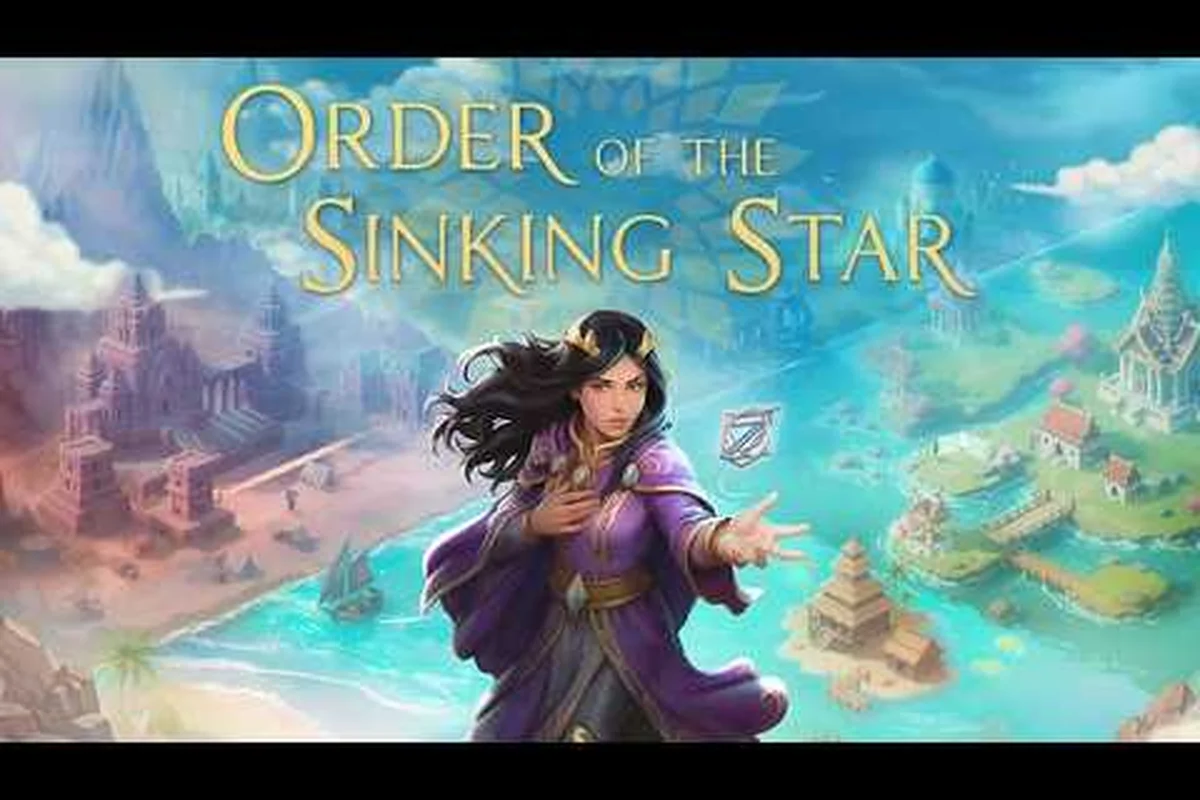
Order of the Sinking Star Playable Characters: Queen, Thief
Meet the Order of the Sinking Star playable characters: queen, thief, warrior, wizard, and the talking boat. Learn each hero's abilities and how they use them.

Order of the Sinking Star Demo's New Heroes: Bard & Druid
The Order of the Sinking Star demo added new heroes: bard charm, druid transmute and wizard teleport abilities, plus what each means here now.
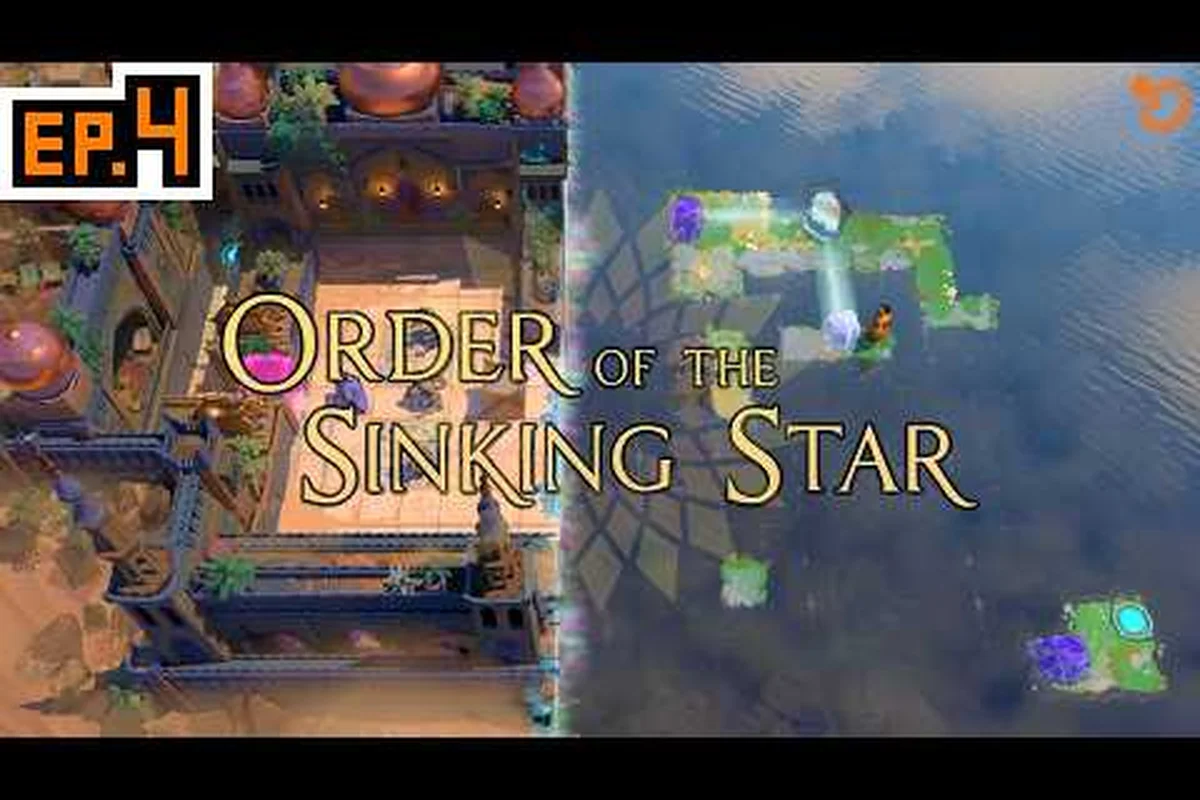
Order of the Sinking Star Bard Hero: Charm & Teleport
Explore the Order of the Sinking Star bard hero with its charm and druid shape-shifting. Master how wizard teleport and sun priest complete the roster.
All Articles
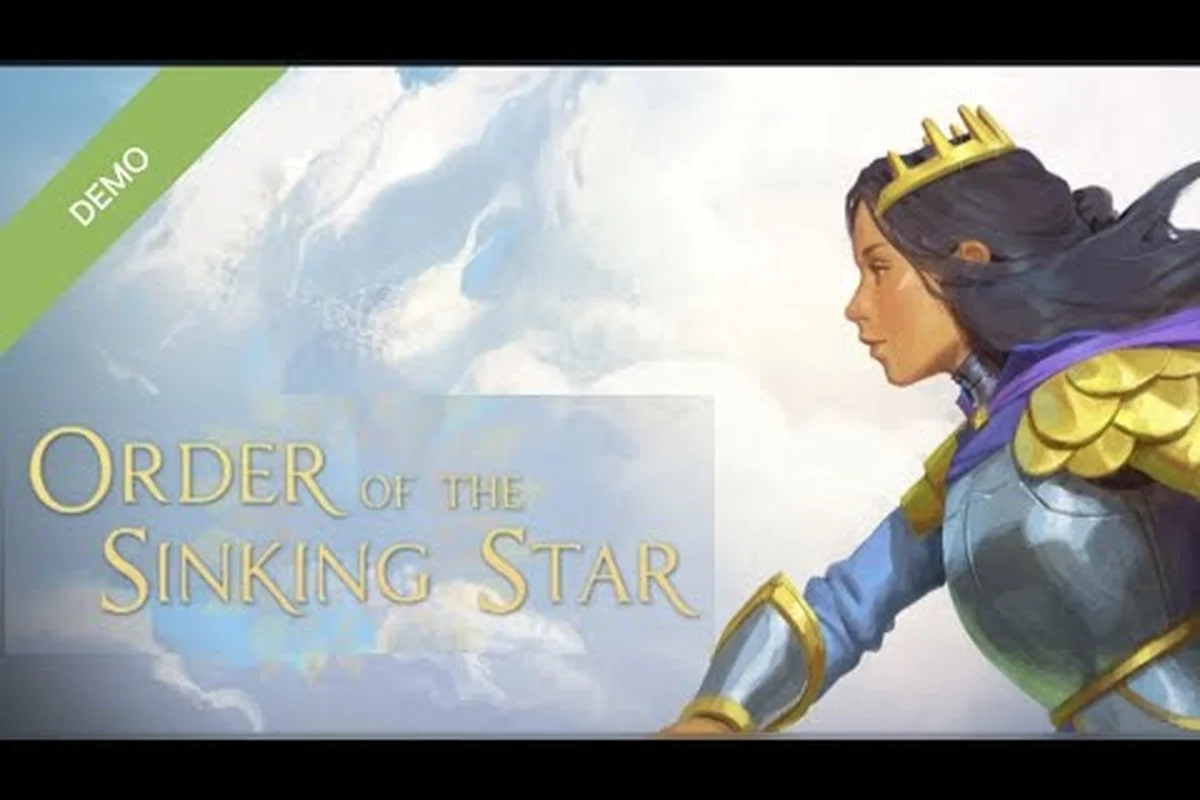
Order of the Sinking Star Hero Roster: How Many Heroes
How many heroes are in Order of the Sinking Star? Count the full playable roster: queen, thief, warrior, wizard, bard, druid and talking boat.
Order of the Sinking Star Which Hero to Play First?
Decide which hero to play first in Order of the Sinking Star with this starter guide. Compare the queen, thief, and warrior to match your playstyle in the demo.
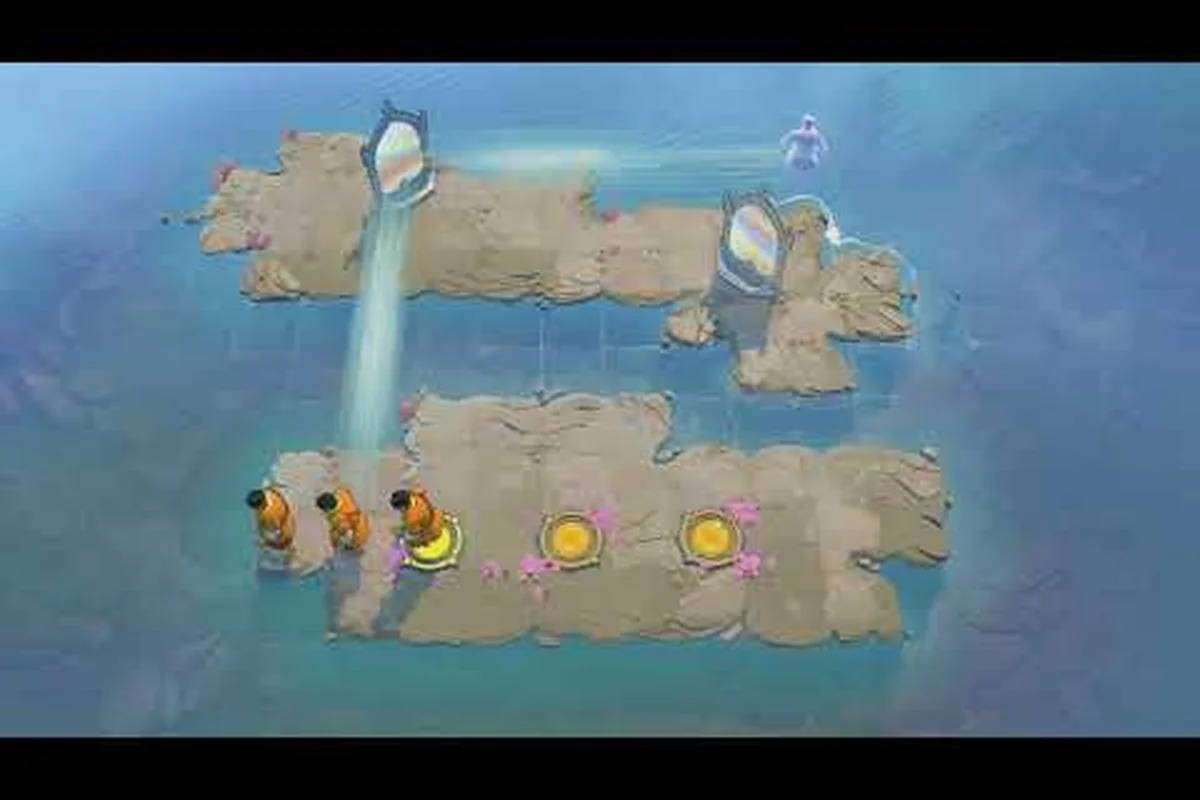
Order of the Sinking Star Hero Interactions & Combos
Order of the Sinking Star hero interactions explain complementary abilities, swap tricks and combos no single hero could ever pull off alone.